Source energy monitoring, load control and automation hardware for residential installs. Protocol-compatible smart energy sourcing for installer crews on Sunhub.
Monitoring and load-control hardware
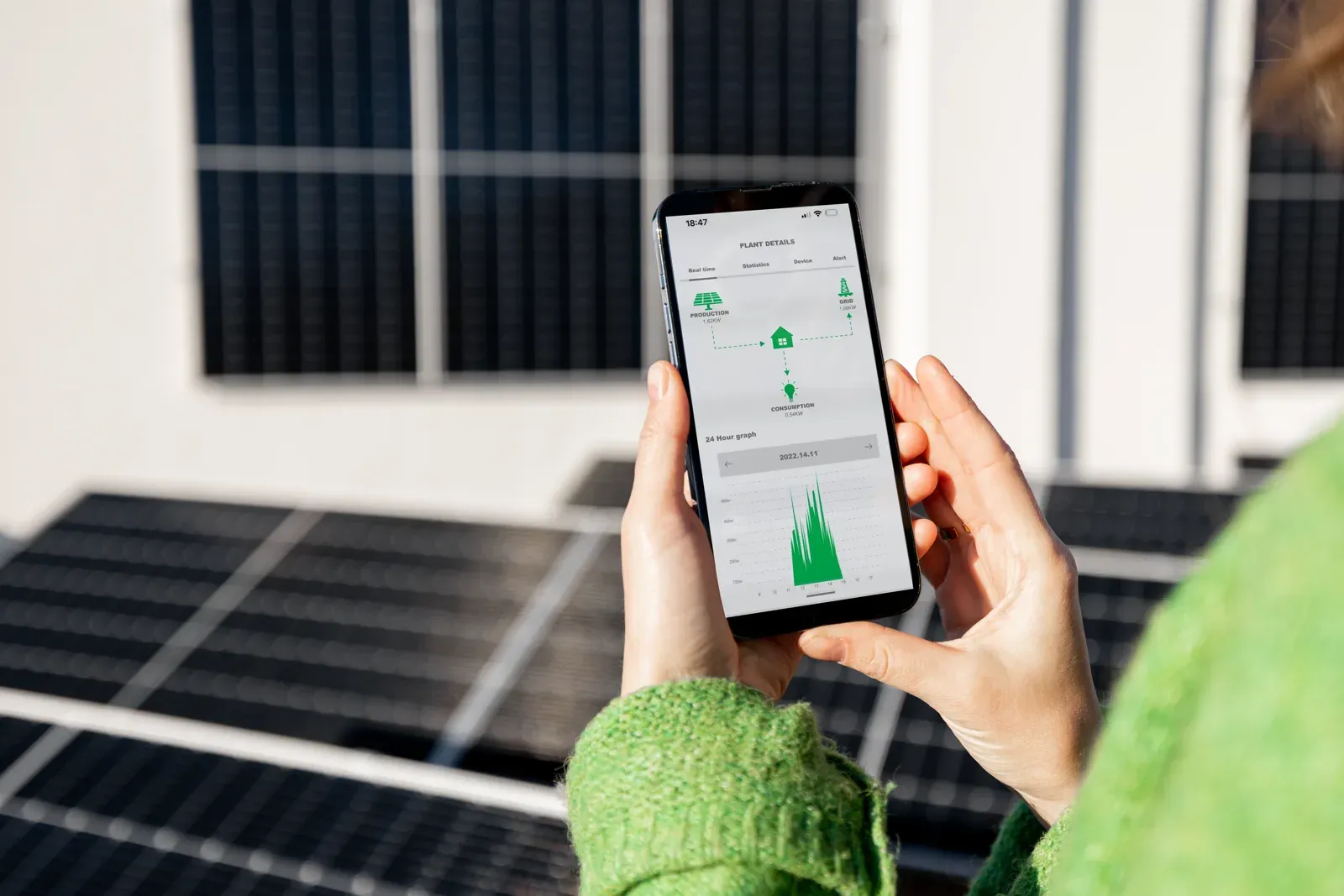
Monitoring compared by protocol
Production and consumption monitoring devices are sourced by communication protocol and third-party dashboard compatibility, so a system stays open to adding storage or a second inverter brand later without a rip-and-replace.
Load control for backup prioritization
Smart panels and load-control devices let a crew sub-circuit a home so backup power covers priority circuits first during an outage, sourced alongside the battery it will control.
EV charger integration
Where a job includes EV charging, load-management hardware coordinates charger demand with solar production and existing home load instead of treating the charger as an unmanaged circuit.
Open systems, fewer callbacks
Keep systems open to future changes
Protocol-compatible hardware means the system isn't locked to one inverter brand for its next expansion.
Fewer post-install callbacks
Hardware chosen for documentation quality and app stability cuts the callback visits a shaky monitoring system generates.
FAQs
What smart home hardware pairs with a residential solar and storage system?
Typical additions are whole-home energy monitors, smart load controllers or subpanels for backup prioritization, and integrated EV chargers, plus the gateway or hub that ties them together. The key is interoperability across your inverter and battery brands rather than locking into one ecosystem. Sunhub sources this hardware with cross-brand compatibility in mind to reduce post-install callbacks.
Does monitoring hardware need to match the inverter brand?
Not necessarily. Some inverters expose production data only through their own monitoring, but many third-party monitors read at the meter or via open protocols, so they work across brands. If you want a single view across mixed inverter and battery hardware, choose a monitor built for interoperability rather than one tied to a single manufacturer.
Can EV charging integrate with residential energy monitoring?
Yes. Many EV chargers report power draw to a home energy monitor and can throttle or schedule charging based on solar production or overall household load. Integration depends on the charger and monitor speaking a common protocol, so confirm compatibility before you spec the pair, especially across mixed-brand systems.