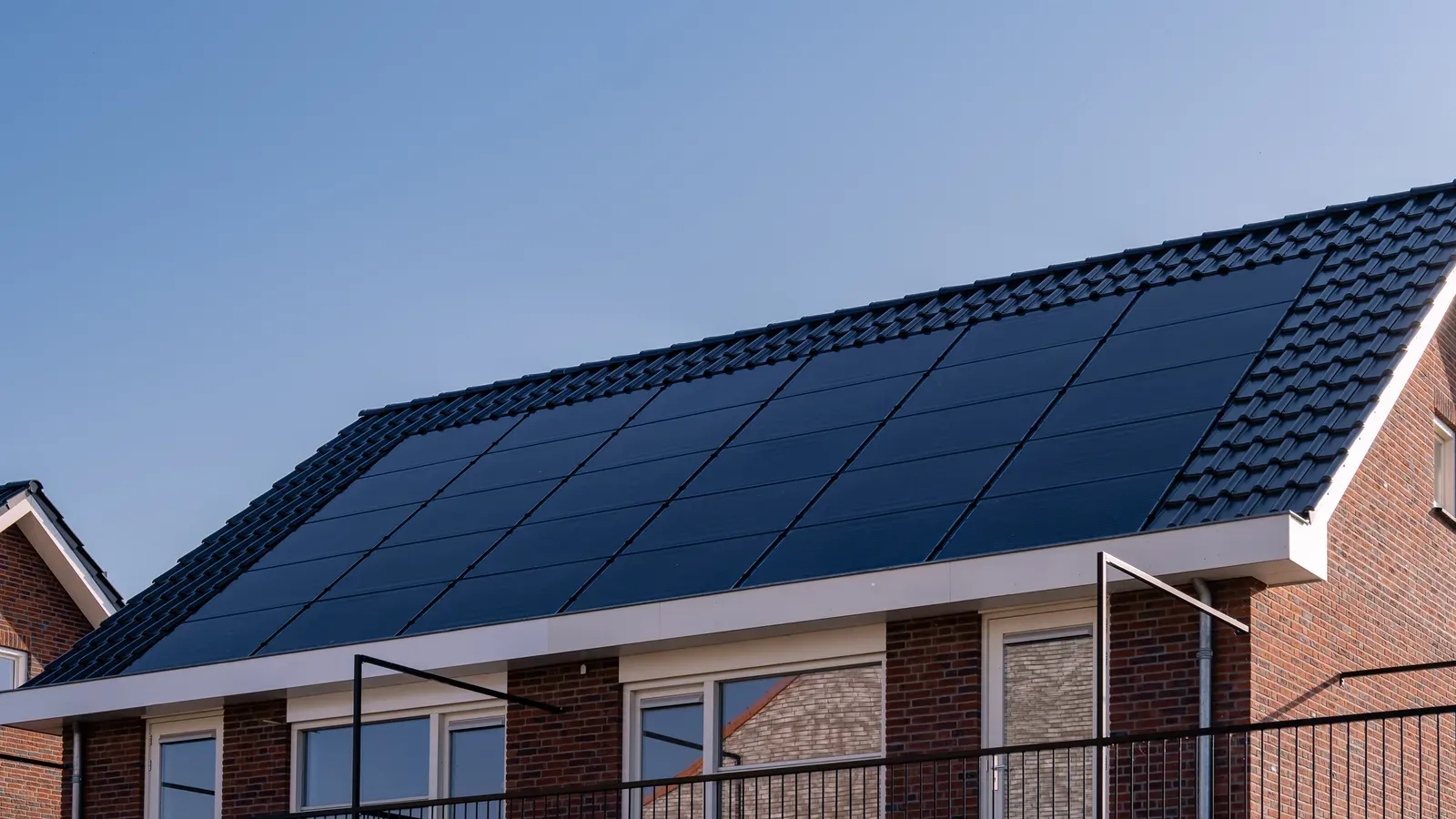
Residential
Rooftop, ground mount and home battery systems installers and dealers source for single-family jobs. Volume runs high and job cycles run short, which puts a premium on fast replenishment over bulk contracts.
 business
Industries
From rooftop residential to gigawatt utility, seven segments, each with its own equipment mix, financing structure and procurement timeline.
Talk to our team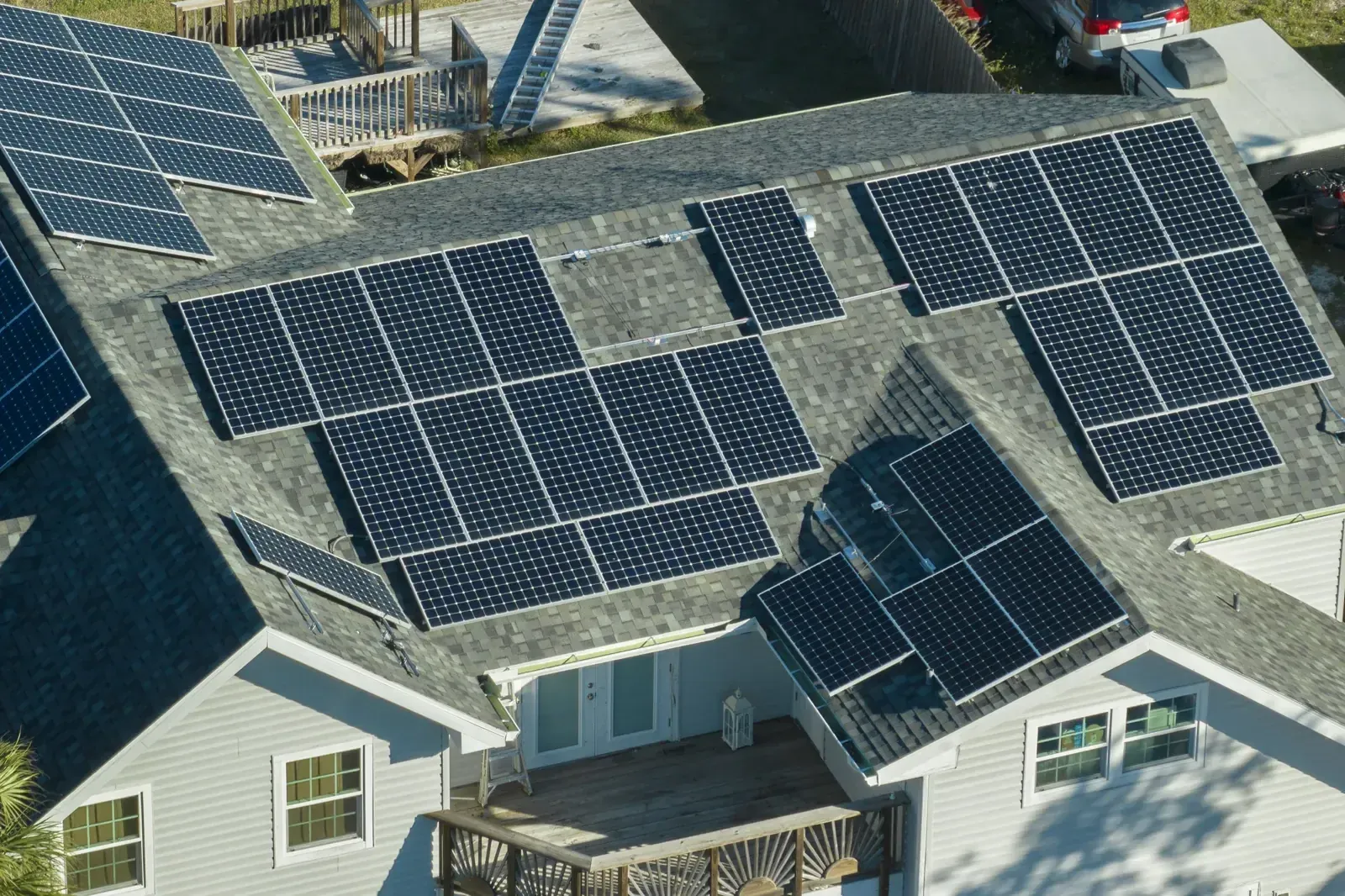
From rooftop residential to gigawatt utility.
Rooftop, ground mount and home battery systems installers and dealers source for single-family jobs. Volume runs high and job cycles run short, which puts a premium on fast replenishment over bulk contracts.
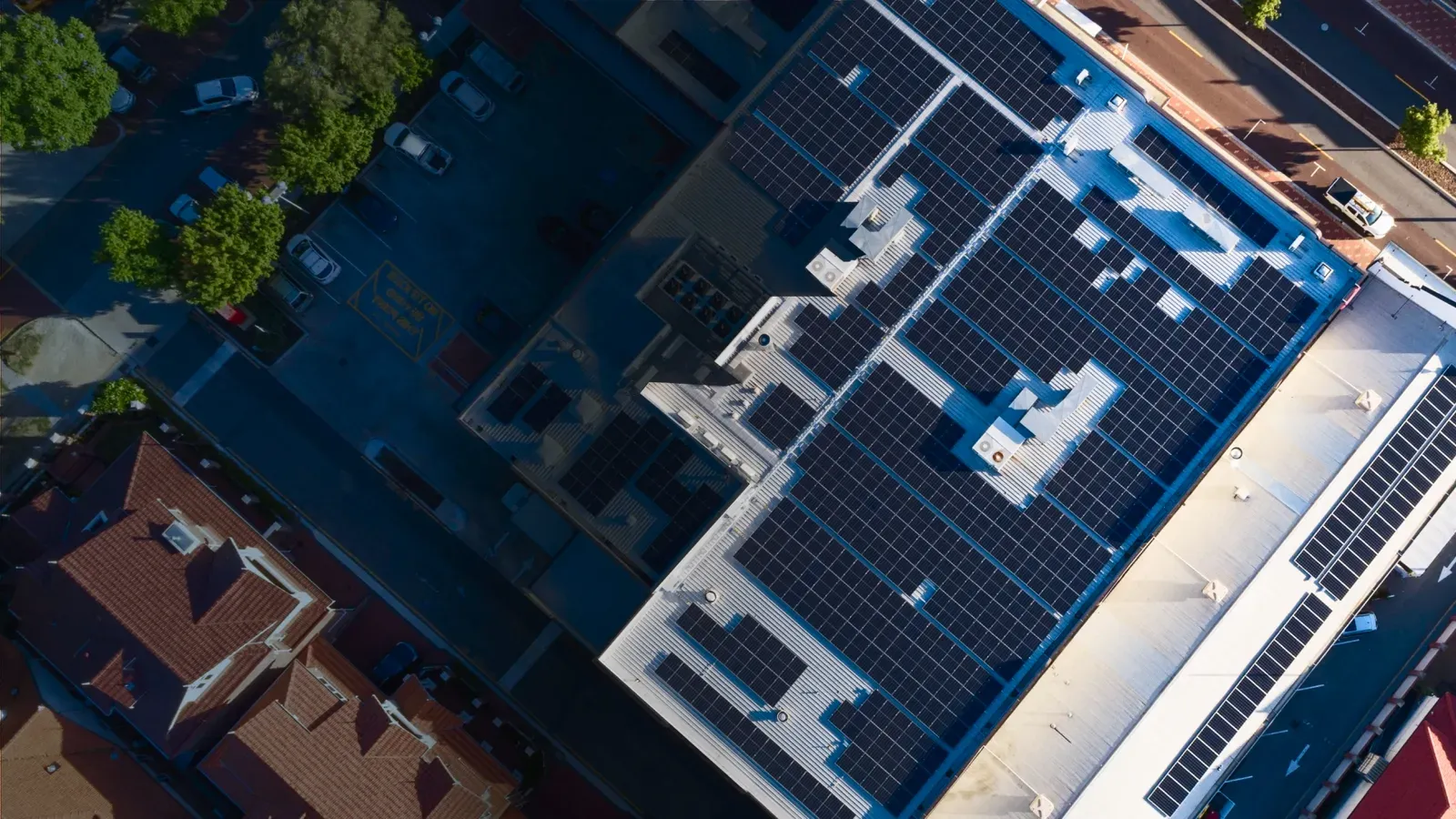
Flat-roof, carport and microgrid projects that mix racking, storage and demand-management equipment for a single site. Procurement timelines track permitting and interconnection, not just equipment lead time.
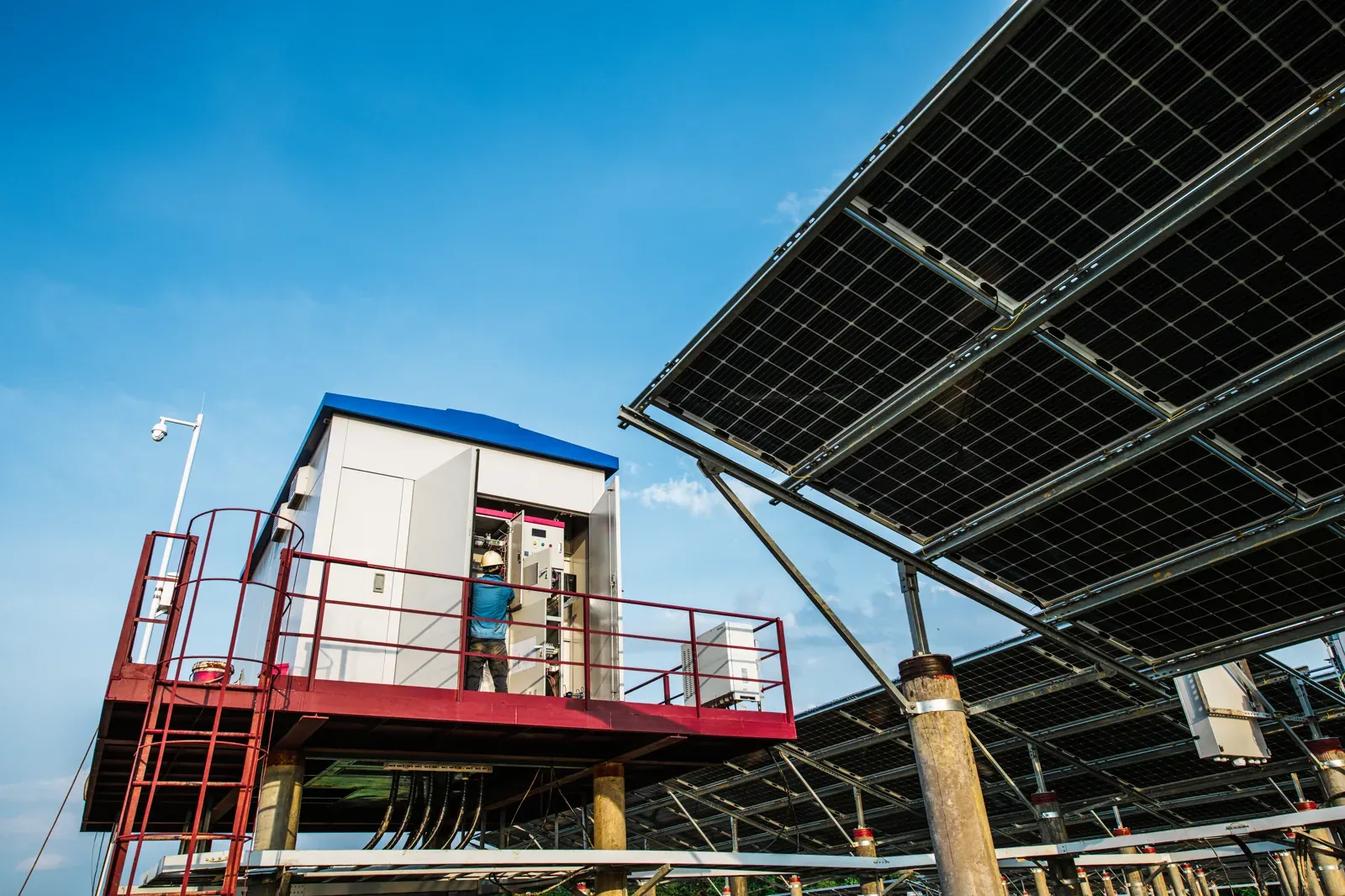
Tracker, module and HV balance-of-system sourcing for projects from 5 MW to 1 GW, where allocation and domestic content status matter as much as price.
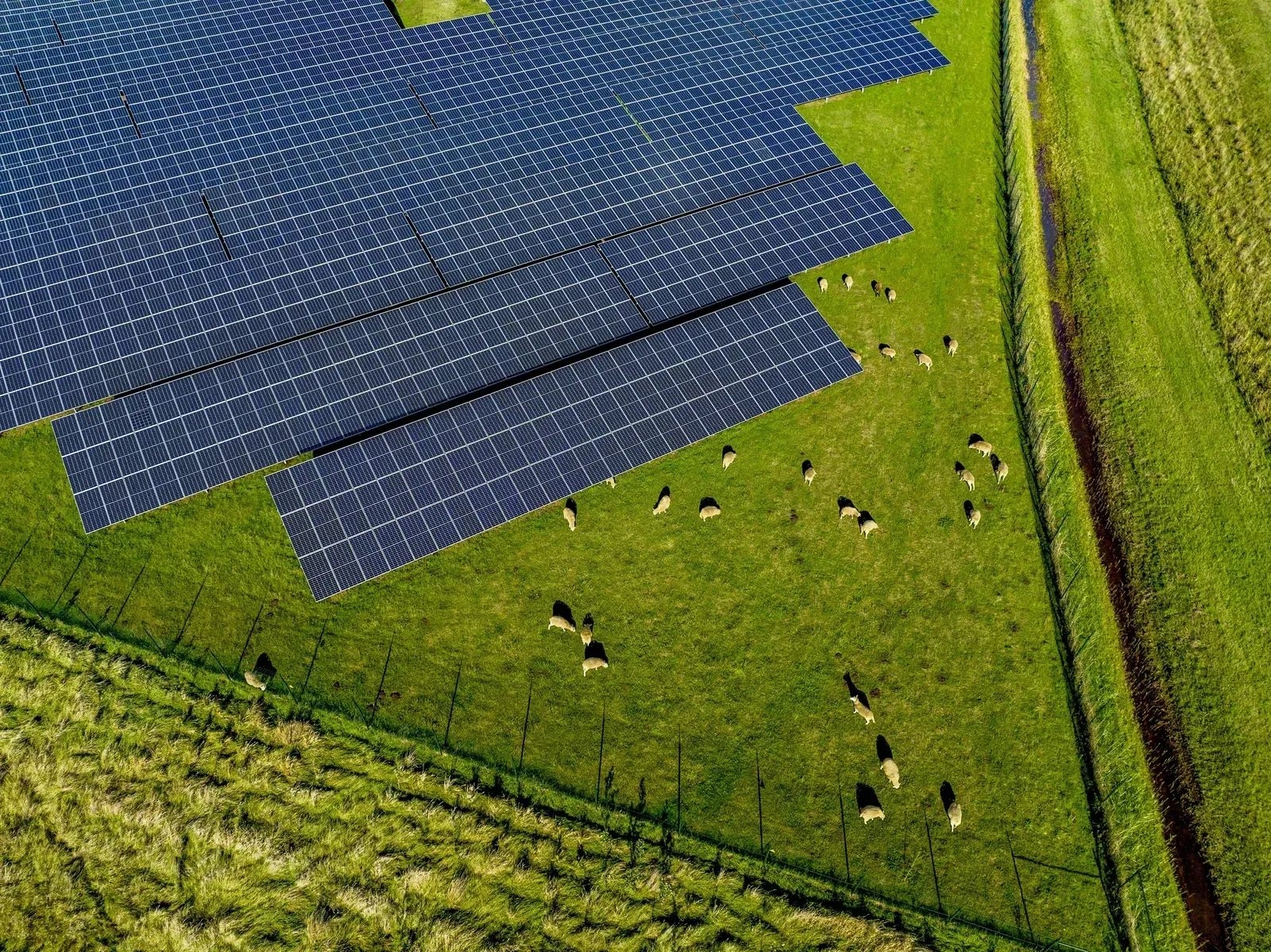
Dual-use systems engineered to coexist with grazing, crops or pollinator habitat, sourced alongside land-use and grant paperwork most other segments never touch.
Legacy hardware replacement for assets already in the ground, where cross-referencing a discontinued part matters more than comparing new catalogs.
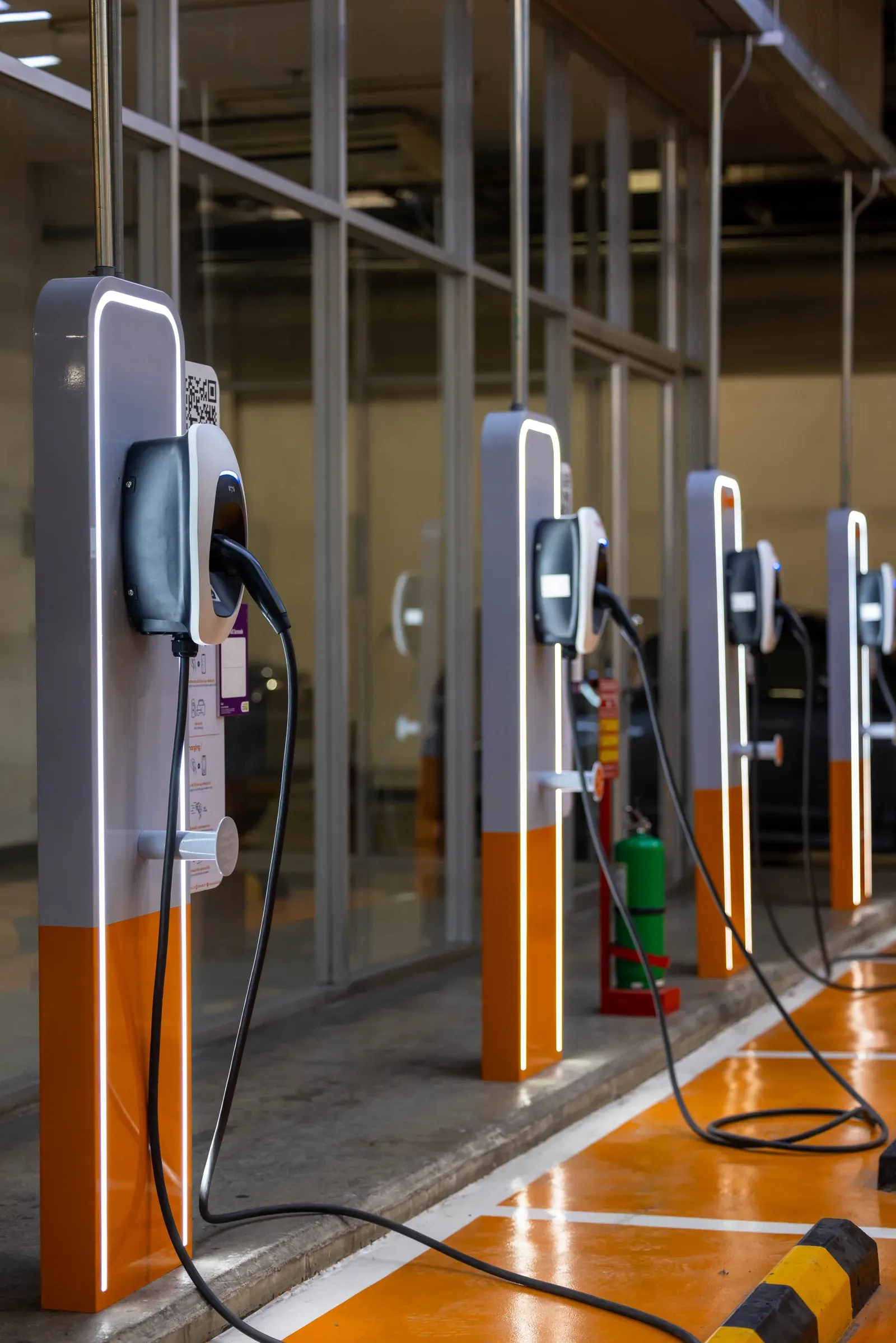
Level 2 and DC fast charging equipment, increasingly paired with an on-site array and sized against available electrical service.
Remote and specialty sites where standard catalog components often need custom fabrication to fit the application.
A residential installer restocking for next week's jobs and an EPC locking tracker allocation for a 2027 COD are both buyers on Sunhub, but they need completely different tools: fast replenishment for one, long-lead allocation and domestic content documentation for the other.
Every segment draws from the same verified-supplier catalog and the same landed-cost pricing, so a distributor serving both residential crews and a utility EPC doesn't need two different sourcing relationships.
Sunhub covers seven segments across the solar trade: residential rooftop, commercial and industrial, utility scale, agricultural solar, repowering and O&M, EV infrastructure, and off-grid or custom builds. Each carries its own equipment mix, financing structure, and procurement timeline, so sourcing is organized around how each segment actually buys.
Yes. A residential rooftop job and a gigawatt utility project draw on different equipment mixes, financing structures, and procurement timelines, so the sourcing approach changes with the segment. Sunhub organizes the catalog and fulfillment around those differences rather than treating every buyer the same.
You can source across categories in a single order when a project spans more than one segment, such as a commercial site that adds EV charging or storage. The practical constraint is usually lead time and logistics rather than segment boundaries, since different equipment classes often ship on different schedules.
Source elevated racking, dual-use mounting and grant-ready equipment for agrivoltaic sites. Sourcing built for solar that shares land with farming.
Explore Agricultural SolarSource flat-roof racking, carports, storage and microgrid equipment for C&I solar projects. Sourcing built for commercial and industrial sites on Sunhub.
Explore Commercial & IndustrialSource Level 2 and DC fast charging equipment for fleet, workplace and corridor sites. NEVI-aware EV infrastructure sourcing on Sunhub.
Explore EV InfrastructureSource complete off-grid PV systems, panels through batteries and charge controllers, sized for real autonomy needs. Off-grid equipment sourcing on Sunhub.
Explore Off-grid & CustomSource replacement modules, inverters and O&M parts for aging solar assets. Cross-referenced repowering equipment sourcing on Sunhub.
Explore Repowering & O&MSource rooftop racking, microinverters, batteries and permit-ready plan sets for residential installs. Equipment sourcing built for installer replenishment speed.
Explore Residential SolarSource trackers, modules, HV BoS and BESS containers for utility-scale projects from 5 MW to 1 GW. Equipment sourcing structured around COD deadlines.
Explore Utility Scale