Products
Mounting & racking
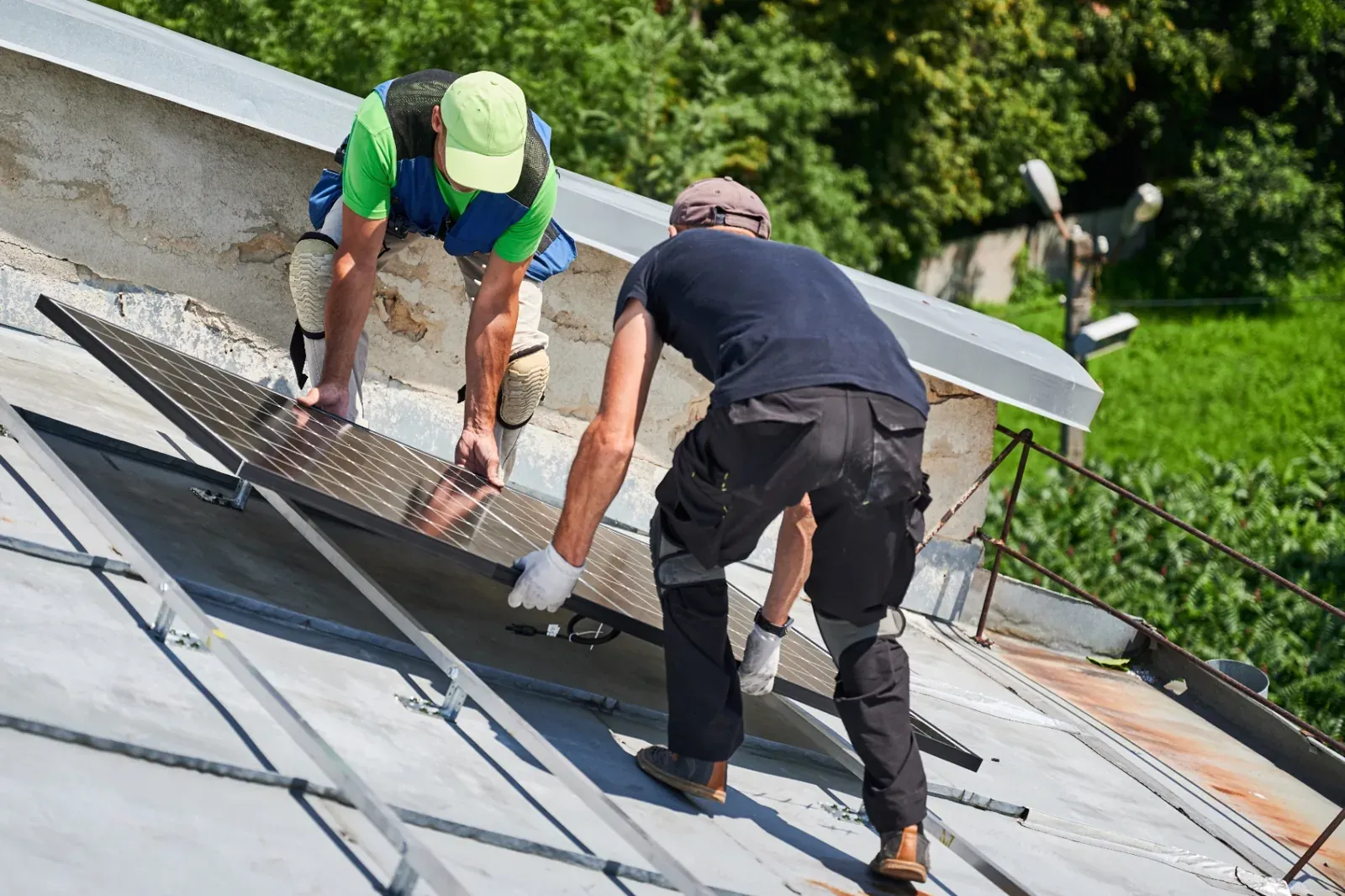
Roof, ground-mount and ballasted racking, selected by roof type, wind and snow load, not habit.
Talk to our teamMounting & Racking
Roof, ground and ballasted structural systems.
Designed for your business
Installers · EPCs · Roofers
Cut install hours
De-risk structural compliance
Mount type, load and content sourcing
Roof, ground and ballasted systems by site condition
Attached roof racking, ground-mount and ballasted flat-roof systems each solve a different structural problem, and the guide compares them by roof type, penetration tolerance and site accessibility. Getting the category wrong shows up later as a structural engineer's redline, not a line-item cost.
Structural load engineering, not just hardware
Wind and snow load ratings, attachment spacing and rail span all drive whether a racking system passes structural review for a given site and jurisdiction. The guide covers how those variables interact so a design doesn't need a second engineering pass.
Domestic content and material sourcing
Steel and aluminum racking sourcing affects a project's domestic content bonus eligibility under current federal tax credit rules, and listings are flagged where that status is documented. That flag matters most on projects layering the bonus on top of the base investment credit.
Fewer redlines, mount matched to site
Fewer structural redlines
Wind, snow and attachment spacing get checked against the racking spec before submission, not after a plan reviewer sends it back.
Match the mount to the site, not the catalog
Roof-mounted, ground-mount and ballasted systems compare side by side so the racking choice follows the site instead of whatever a single distributor happens to stock.
Protect a domestic content claim
Material origin documentation is visible on the listing when a project layers the domestic content bonus onto its tax credit position.
Racking dimensions follow the module
Racking dimensions follow the module
Rail spacing and clamp sizing are specific to module dimensions and frame thickness, so racking gets finalized after the panel spec, not before. Check the panel guide first when building a new bill of materials.
FAQs
What's the difference between roof-mounted, ground-mount and ballasted racking?
Roof-mounted racking attaches to a building's roof structure and is sized to the roof type and module. Ground-mount racking uses driven piles or footings on open land, engineered for site soil and wind. Ballasted racking uses weighted blocks instead of penetrations, common on flat roofs and some ground applications. Sunhub selects among them by site condition, wind, and snow load rather than habit.
How does racking material affect domestic content bonus eligibility?
Domestic content rules weigh where structural steel and other components are manufactured, so racking made from domestically produced steel or aluminum can help a project reach the threshold for the bonus credit. Iron and steel components in particular carry specific sourcing requirements. Sunhub can supply material documentation to protect a domestic content claim, and projects should confirm the calculation with their tax advisor.
What load factors determine a racking system's structural rating?
A racking system's rating is driven by wind speed and exposure, snow load, dead load from the modules and hardware, and in some regions seismic forces, all tied to the local building code and the site's geometry. The roof or soil condition and array tilt also factor in. Sunhub engineers the structural load rather than shipping generic hardware, which means fewer structural redlines during permitting.