Field-validate before committing to volume
A prototype run gets a design onto a real site for validation before hundreds or thousands of units are fabricated against a spec that hasn't been tested yet.
 business
Services
Rapid prototyping and short production runs for a design that needs field validation before a full order.
Talk to our team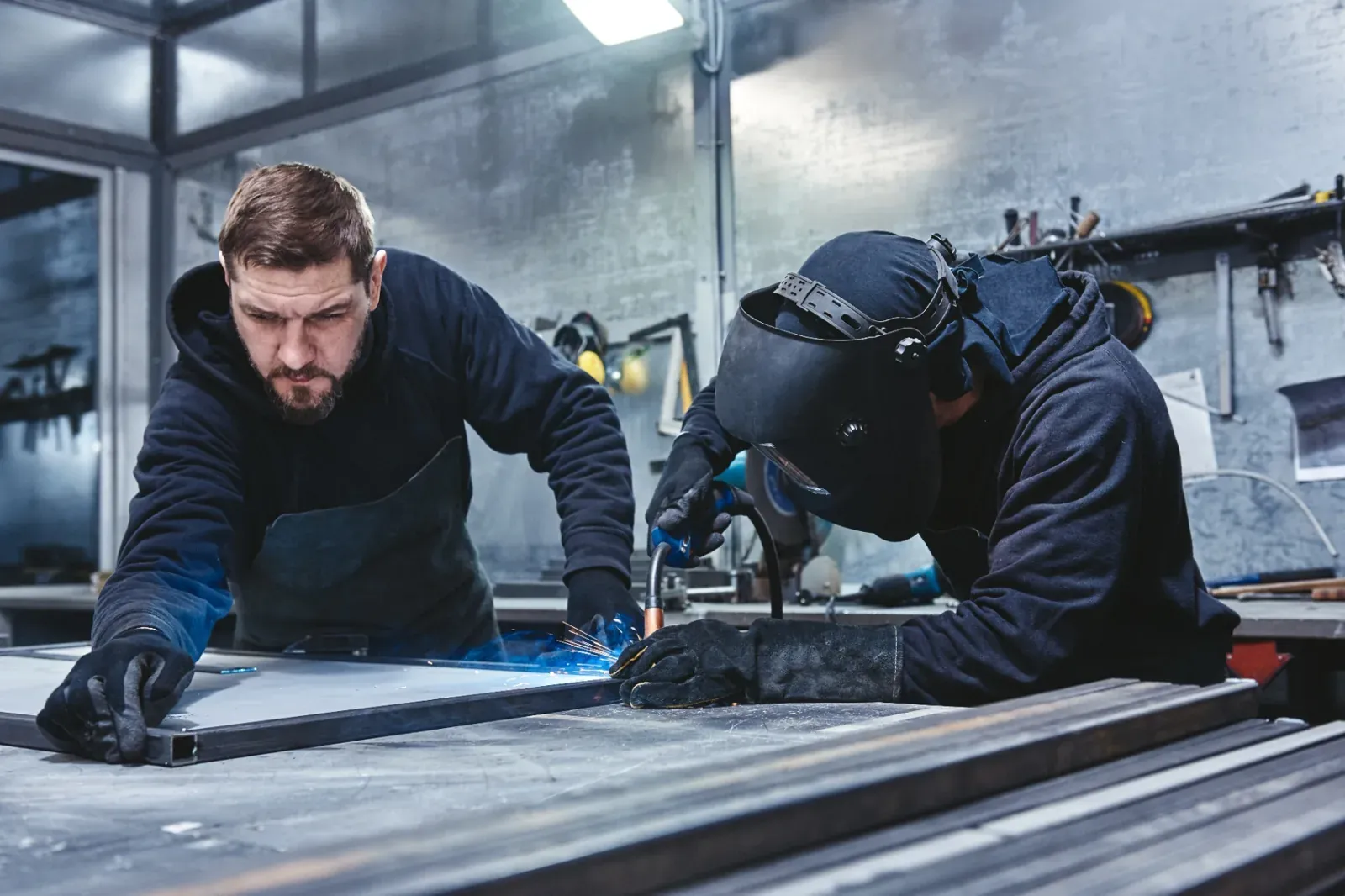
Source rapid prototyping and short production runs for solar hardware that needs field validation before a full fabrication order, on Sunhub.
A prototype run gets a design onto a real site for validation before hundreds or thousands of units are fabricated against a spec that hasn't been tested yet.
Prototype and short-run quantities move through fabrication on a faster timeline than a full production order, since tooling and process are simpler at low volume.
Prototype specs and lessons learned carry directly into a full production run once a design is validated, without starting the fabrication conversation over.
Field validation on a prototype surfaces a fit or durability issue before it's built into a thousand-unit run.
Validated specs carry forward into full-volume fabrication instead of a fresh design cycle.
A prototype lets you field-validate a custom design before committing capital to volume, so you catch fit, tolerance, or performance issues while they are still cheap to fix. Correcting a problem on one unit is far less costly than discovering it across a full production run.
Prototypes and short runs are built for fast turnaround on small quantities, so a working sample lands well ahead of a full production order. Exact timing depends on part complexity, materials, and tooling, but the prototype stage is deliberately quicker so validation does not hold up the project.
Yes. The point of the prototype stage is to field-validate a design in real conditions before committing to volume, so you can test fit and performance on site first. Once the design holds up, there is a clear path to move from prototype to full production without restarting the process.