Solutions
Container forwarding from factory floor to laydown yard
Container forwarding from factory floor to laydown yard, coordinated for the volumes a utility-scale mobilization actually generates.
Talk to our team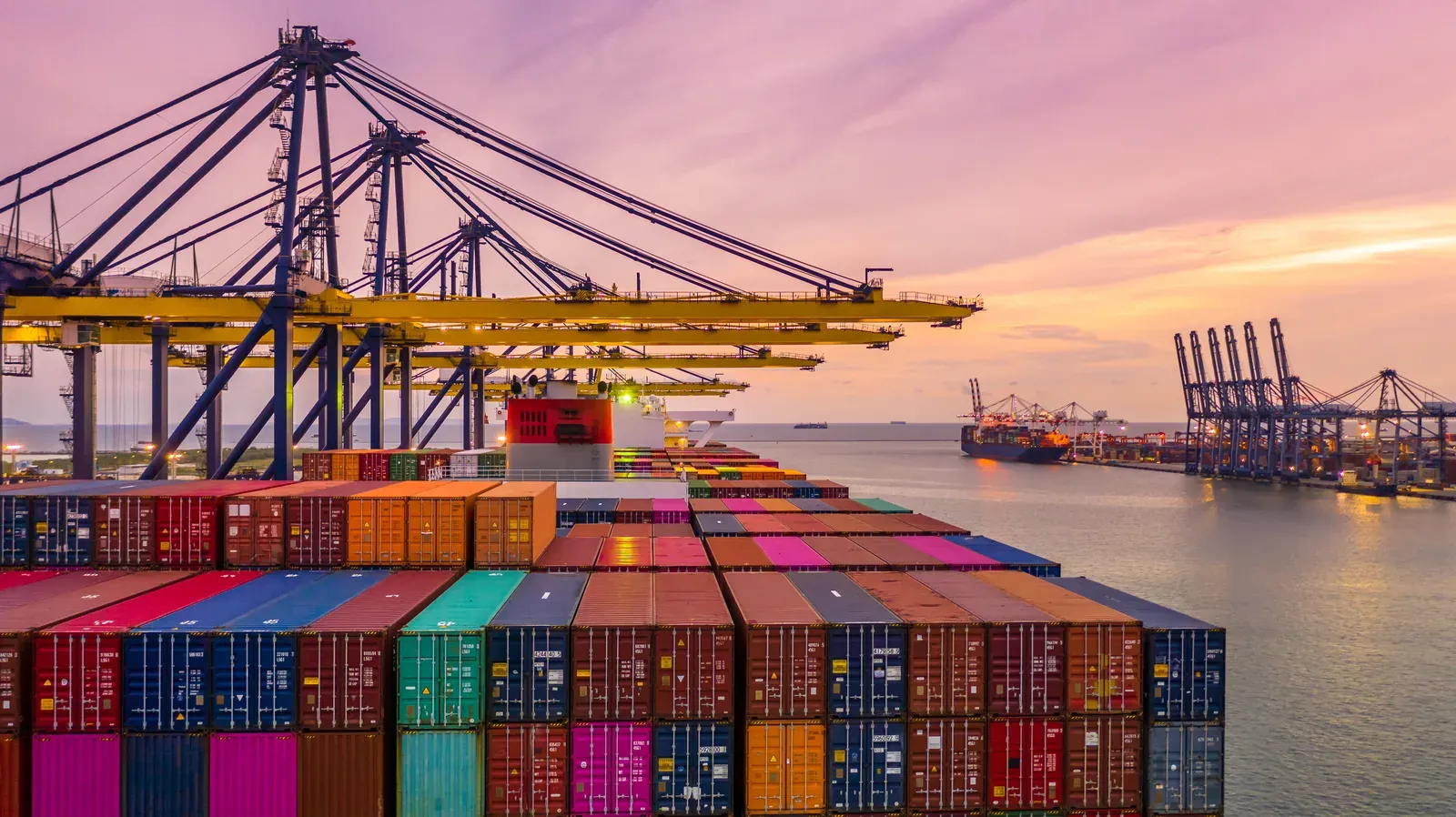
Container Forwarding
Ocean, customs and inland drayage orchestrated factory-to-laydown with milestone tracking against COD.
Designed for your business
Utility-scale EPCs · Developers managing freight risk · Owners coordinating multi-supplier delivery
Cut demurrage and detention at the port of entry
Stage the laydown yard to construction phasing
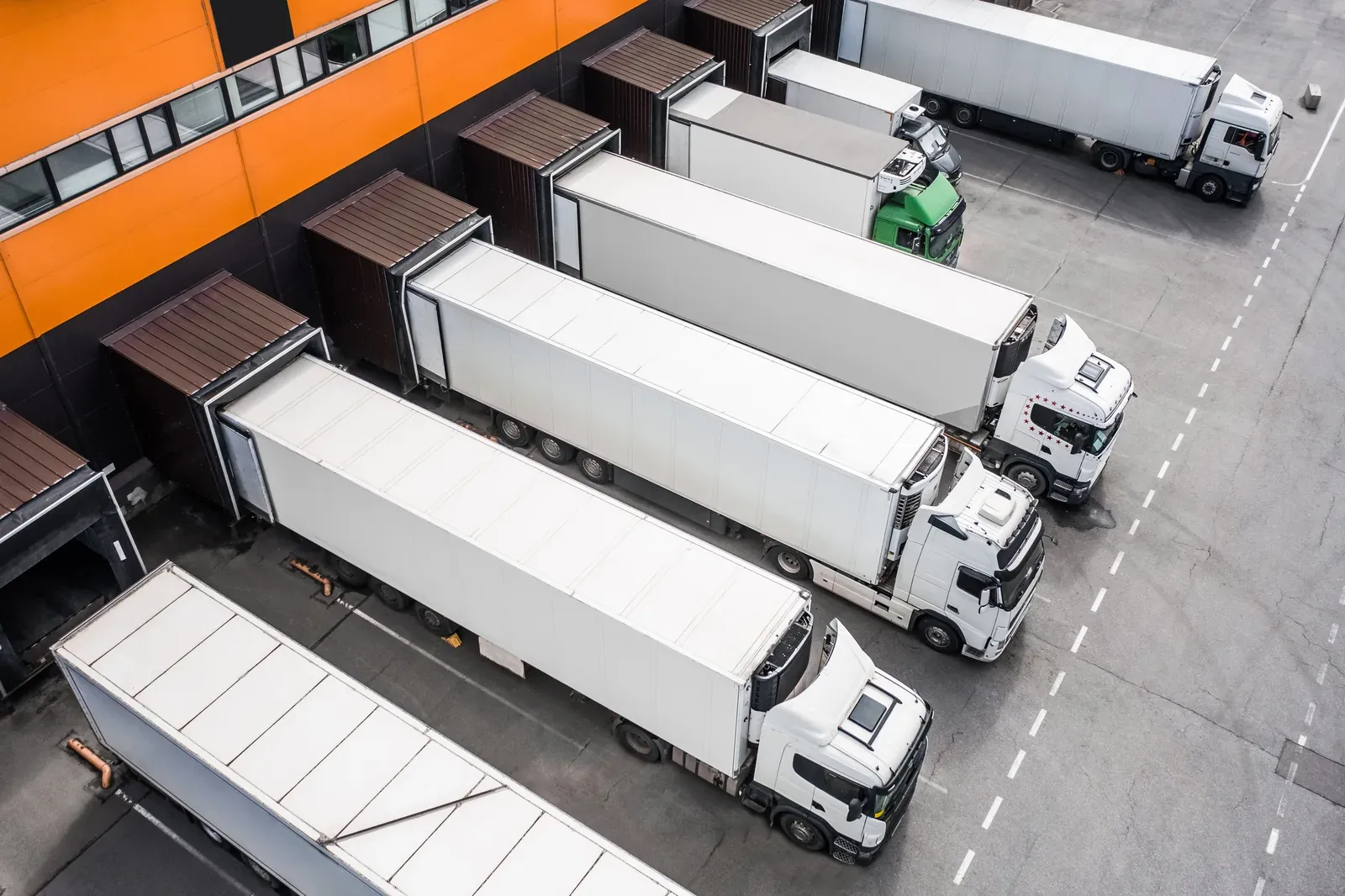
Container coordination from factory to laydown yard
End-to-end coordination, factory to laydown yard
Container tracking and coordination cover the full journey from origin factory through port, drayage and final laydown yard delivery, not a single leg of the trip.
Sequenced to construction phase
Container arrival schedules align with a project's actual construction sequence, so equipment lands when a crew is ready for it rather than staging months of material with nowhere to store it.
Volume handled as one coordinated flow
Multiple containers across suppliers and origins get managed as a single coordinated schedule instead of dozens of individually tracked shipments.
Freight timed to the build schedule
Match freight timing to construction phase
Container delivery sequences against the build schedule instead of arriving in an unplanned wave.
Manage one freight schedule instead of many
Multiple containers and origins consolidate into one coordinated tracking view.
How it works
- 01
Plan the lanes
Map factory origin, port pairs and final laydown yard for every equipment package.
- 02
Book and clear
Ocean space is booked and customs entry prepared so containers clear without a hold.
- 03
Track the milestones
Departure, arrival, clearance and drayage report against your COD calendar.
- 04
Deliver to yard
Containers arrive sequenced to the set schedule, ready for the laydown plan.
FAQs
How does container forwarding for an EPC differ from standard ocean freight?
Standard ocean freight moves a shipment from port to port, while EPC container forwarding coordinates the whole flow from the factory floor to the project laydown yard. It's built around utility-scale volumes and sequenced to the construction schedule rather than treated as isolated shipments. That end-to-end coordination is what separates it from booking containers one at a time.
Can freight be sequenced to match a construction schedule instead of arriving all at once?
Yes, sequencing to the construction phase is the point, so material arrives when each stage needs it rather than landing all at once and crowding the laydown yard. Matching freight timing to construction reduces demurrage, storage strain, and handling. Sunhub manages the volume as one coordinated flow tied to the build schedule.
Does forwarding include laydown yard coordination at the destination?
Yes, the forwarding covers the destination end, including laydown yard coordination, so delivery lines up with how the site is receiving and staging material. Handling the full path from factory to yard means the timing and volume are managed together rather than handed off at the port. That keeps one freight schedule instead of many disconnected ones.
Does forwarding cover customs as well as ocean and drayage?
Yes. Ocean booking, customs entry and inland drayage are managed as one chain from the factory floor to your laydown yard, so clearance is not a separate vendor you have to chase when a container lands.
How do I know a container slip will not surprise me at COD?
Every leg, vessel departure, arrival, customs clearance and yard delivery, reports against your construction calendar, so a roll or a hold is visible in time to resequence rather than at the laydown gate.