Panel, inverter and battery shipments carry specific packaging, weight and damage-risk profiles that differ from general freight, and lane rates reflect that instead of a generic LTL quote. That specificity keeps a freight line item from becoming the surprise on a project budget.
Liftgate and site-specific delivery
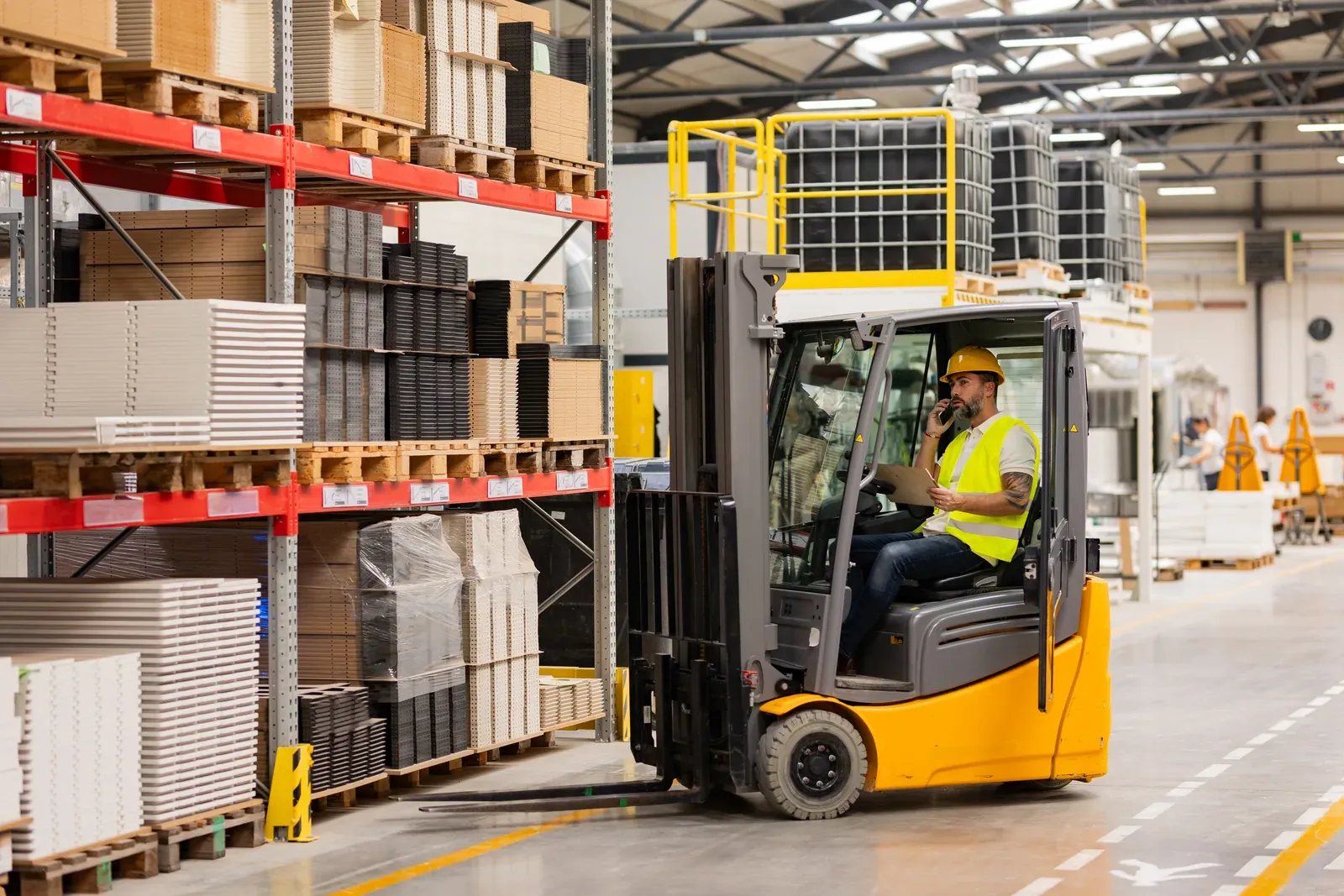
Liftgate service and scheduled time windows get arranged for sites without a loading dock, which covers most active job sites and a fair number of distributor yards. Getting this wrong means a pallet sitting on a truck because nobody on site can unload it.
Drayage from port to warehouse
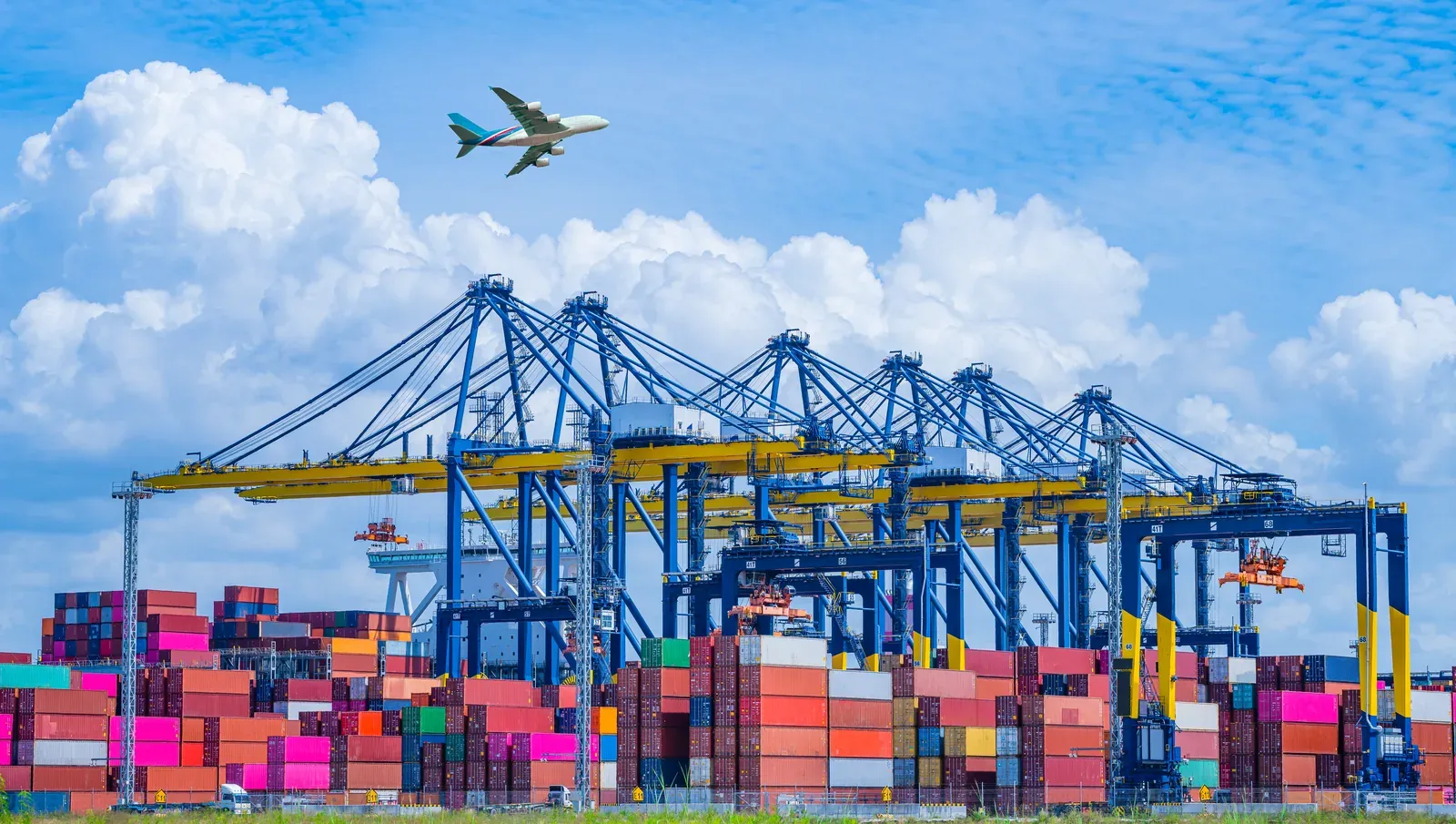
Container drayage from port of entry to a warehouse or cross-dock facility gets coordinated as part of the same booking, instead of a separate broker relationship a buyer has to manage.
Fewer failed, better-priced deliveries
Fewer failed deliveries
Liftgate and time-window requirements get set at booking, not discovered when a truck arrives at a site with no dock.
Freight priced for what's actually shipping
Lane rates reflect solar equipment's real packaging and handling requirements instead of a generic freight class guess.
One leg of the tracked order
Freight is one leg of the order
Freight status feeds the same order record as warehousing and terms, so a buyer checks one screen instead of a separate carrier tracking number.
FAQs
Does Sunhub arrange liftgate delivery for sites without a loading dock?
Yes, liftgate service is part of coordinating solar deliveries to sites that lack a dock or forklift. Because pallets of modules and inverters are heavy and awkward, specifying liftgate up front avoids a failed delivery and a redelivery fee. Flag the site's access limits when booking so the right equipment is dispatched.
Is port drayage included in freight coordination?
Yes, drayage from the port to a warehouse or staging point is handled as part of freight coordination, not treated as a separate booking. Container equipment arriving by ocean needs that first leg managed so it connects cleanly to onward delivery. Coordinating it alongside the rest of the move avoids gaps between the port and the jobsite.
How is solar freight different from general LTL shipping?
Solar shipments involve heavy, fragile, high-value pallets of modules and inverters that need careful handling, correct lane selection, and often liftgate or time-windowed delivery. Generic LTL booked without that context leads to damage, failed deliveries, and surprise fees. Sunhub negotiates lanes around solar freight patterns and prices freight for what is actually shipping.
Forward-stocking and project kitting position solar equipment near the job site and arrive as one coordinated delivery. Warehousing built for the trade.