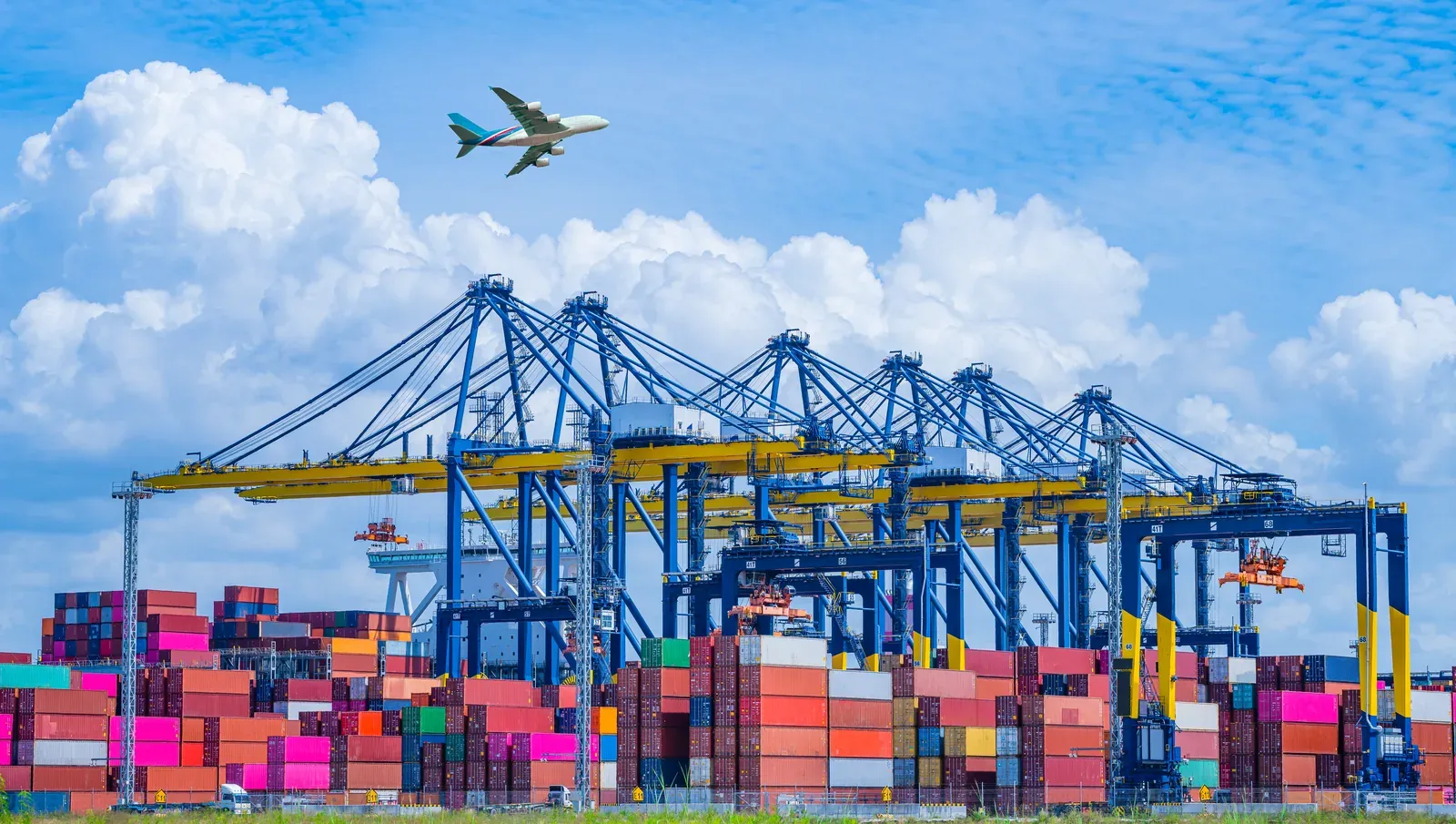
Forward-stocking near active projects
Equipment positions in warehousing closer to where a project is actually being built, cutting the lead time on a rush reorder from a cross-country shipment down to a regional one.
 business
Platform
Forward-stocking and project kitting that position equipment closer to the job site and land as one delivery instead of staggered partial shipments.
Talk to our team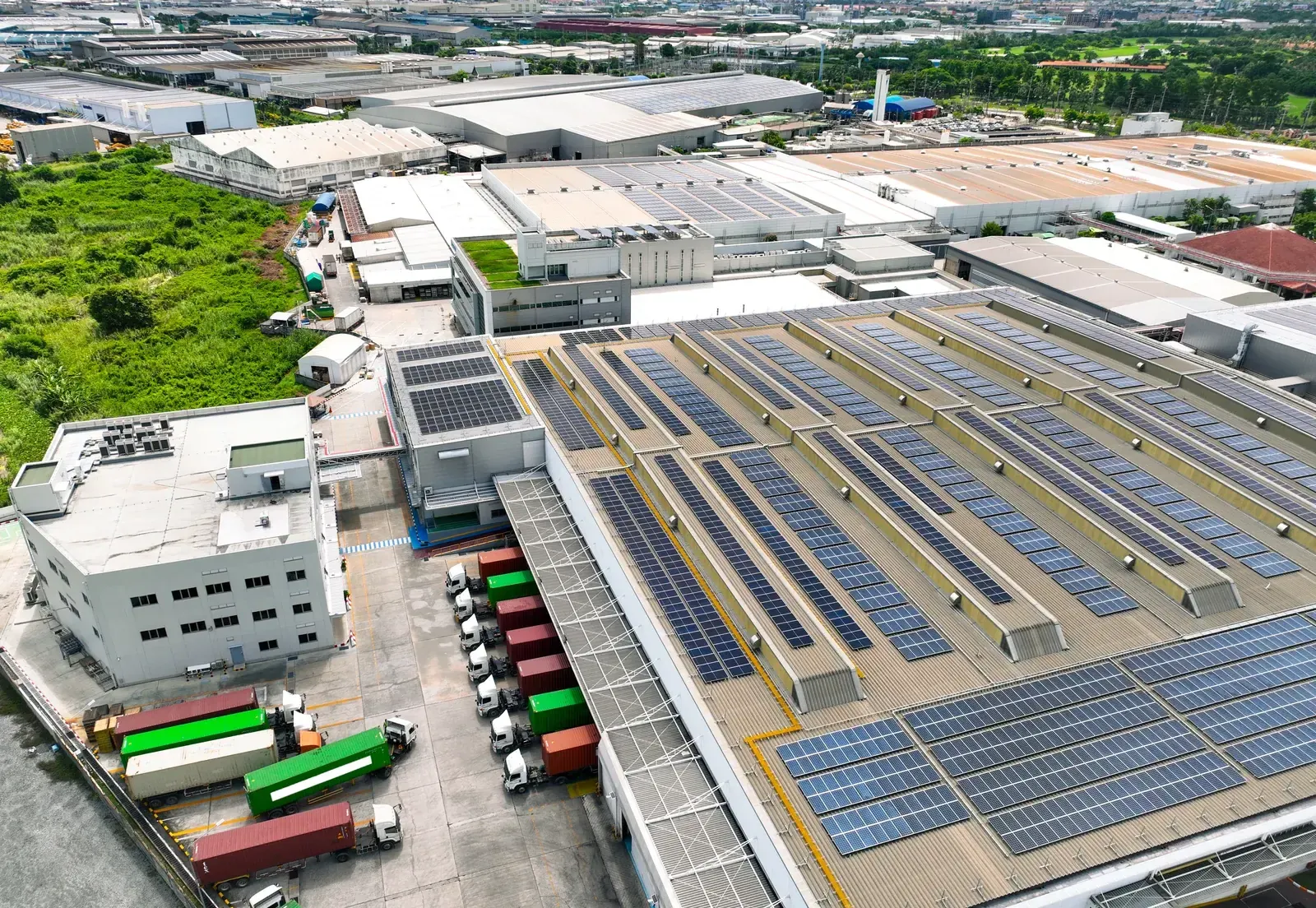
Forward-stocking and project kitting.
Equipment positions in warehousing closer to where a project is actually being built, cutting the lead time on a rush reorder from a cross-country shipment down to a regional one.
A full bill of materials for a specific project kits together into one coordinated delivery, instead of modules, racking and BOS components arriving on three different trucks on three different days.
Warehousing and third-party logistics coordination runs through the same order record as the rest of fulfillment, so a buyer isn't separately managing a warehouse relationship on top of the supplier relationship.
Forward-stocked inventory near active project regions turns a rush reorder into a regional delivery instead of a cross-country one.
Kitting a full project's bill of materials together means a crew isn't waiting on the last truck of three to start work.
Kitted and forward-stocked inventory moves through the same freight coordination and tracking as any other order, so a buyer sees one status, not a separate warehouse update.
Forward-stocking positions inventory in a warehouse near an active project ahead of need, instead of shipping every order from a distant origin. That shortens lead time when a job needs material quickly and cushions against rush-reorder delays. It is especially useful for fast-moving items and replacement parts where waiting on a long-haul shipment would stall the crew.
Yes. Kitting consolidates the modules, racking, inverters, and balance-of-system items a phase needs into a single coordinated shipment rather than staggered partial deliveries by category. That means the crew receives a complete, ready-to-install set in one drop, cutting the downtime and site congestion that come from waiting on trickled-in parts.
Yes. On Sunhub, warehousing, kitting, and freight are handled within the same order flow, so storage and delivery stay connected rather than living with a separate 3PL vendor. That keeps tracking and scheduling under one thread, which makes it easier to time a delivery to the job site instead of reconciling handoffs between disconnected providers.