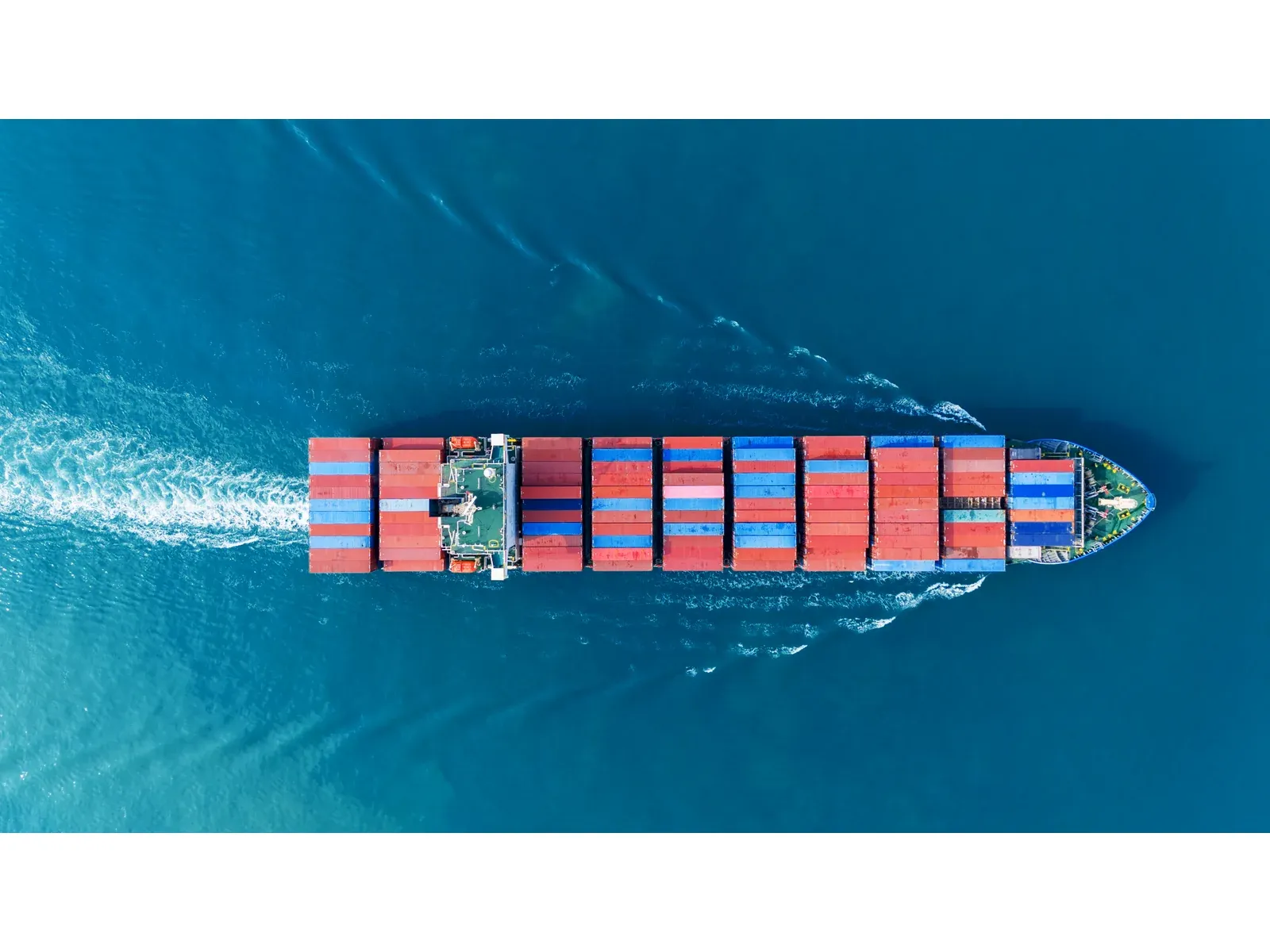
Source ocean freight orchestration for solar equipment imports from Asia and Europe. FOB, CIF, DAP and DDP options with broker handoff on Sunhub.
Container orchestration and shipping terms
Container-level orchestration, not a single-shipment booking
Full-container-load shipments get planned and tracked as part of a larger sourcing schedule, coordinating multiple containers across suppliers and arrival windows instead of booking each shipment in isolation.
Shipping terms matched to who bears the risk
FOB, CIF, DAP and DDP terms shift responsibility for freight, insurance and duties at different points in the journey, and the right term gets selected against how much risk and cost control a buyer wants to hold.
Licensed broker handoff on arrival
Customs clearance handoff happens through a licensed broker network at the port of entry, so a container doesn't sit in demurrage while paperwork gets sorted out after the fact.
Right terms, no port delays
Choose the shipping term that fits the deal
FOB, CIF, DAP or DDP gets selected deliberately based on who should hold freight and duty risk, not defaulted to whatever a supplier prefers.
Avoid port delays from a broker gap
Licensed broker handoff is arranged before the container arrives, not scrambled together after it does.
FAQs
What's the difference between FOB, CIF, DAP and DDP for solar equipment imports?
These Incoterms set where responsibility and risk pass from seller to buyer. Under FOB the seller delivers to the origin port and you handle ocean freight, insurance, and import onward. CIF adds ocean freight and insurance to destination port but leaves import clearance to you. DAP delivers to your named destination with you handling import duties and clearance, while DDP has the seller deliver fully cleared with duties paid. The right term depends on who should bear the freight, insurance, and customs risk on the deal.
How long does ocean freight typically take from Asia versus Europe?
Transit varies by origin port, destination, routing, and season, but Asia-to-US-West-Coast sailings are typically a few weeks, with East Coast routings longer, and Europe-to-US-East-Coast generally somewhat shorter than trans-Pacific. Add time for booking, port handling, and inland delivery beyond the sailing itself. Treat any single figure as an estimate and confirm against current schedules when planning a delivery date.
Does ocean freight coordination include customs clearance on arrival?
Ocean freight orchestration includes a handoff to a licensed customs broker on arrival, so clearance is coordinated rather than left as a gap that strands containers at port. Whether the seller or buyer is responsible for the clearance itself depends on the shipping term chosen, for example DDP has it handled before delivery while FOB or CIF leaves import clearance to the buyer.
Get HTS coding, AD/CVD navigation and UFLPA-aware customs brokerage for solar equipment imports. Import compliance services built for the trade on Sunhub.