Containerized systems by duration
MW-scale battery enclosures sourced by discharge duration, typically two to eight hours, matched to the market the project is designed to serve, whether that's energy arbitrage, capacity or ancillary services.
 business
Industries
Containerized battery energy storage systems for utility-scale projects, sourced by chemistry, duration and EMS integration.
Talk to our team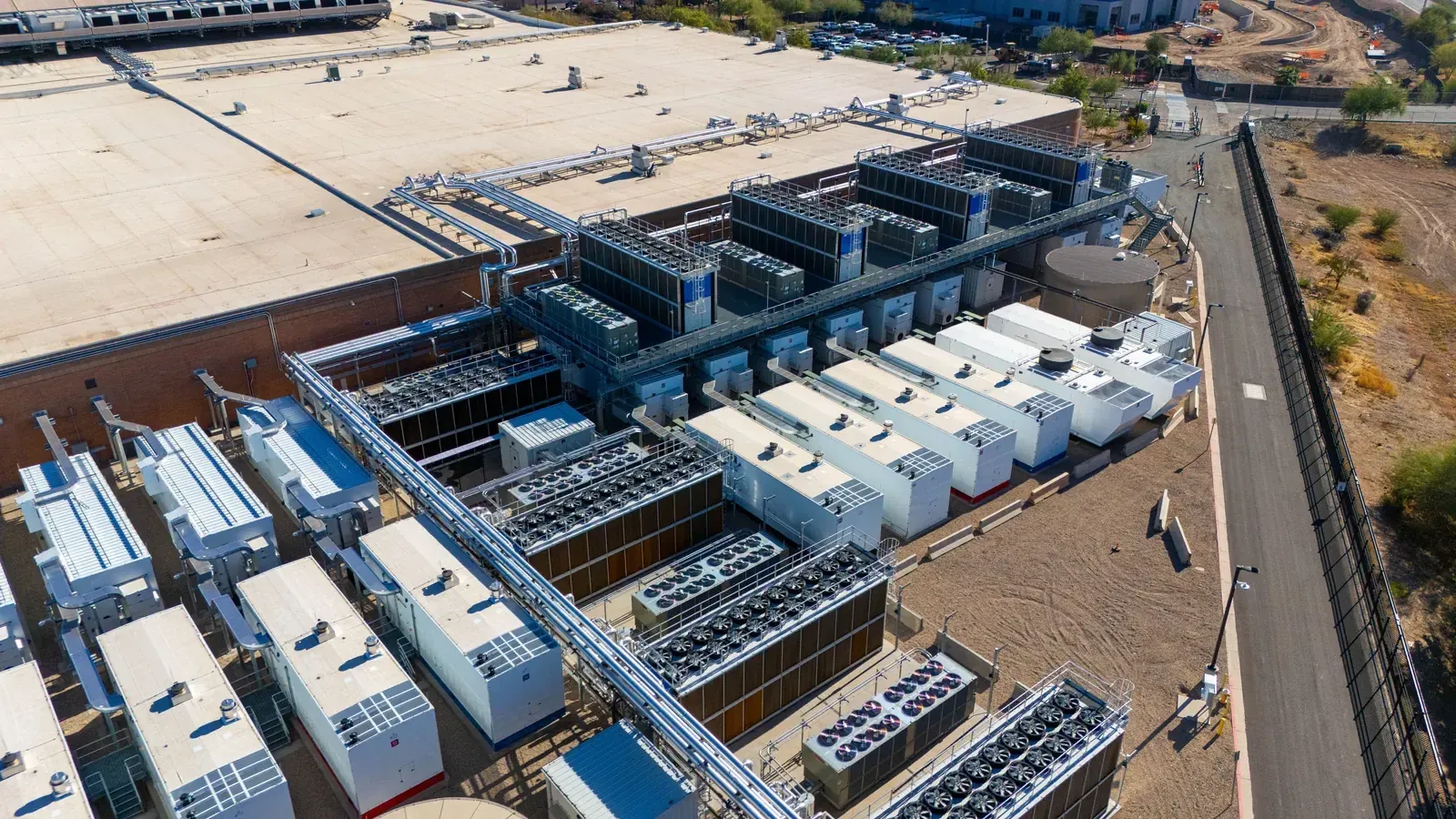
Source containerized BESS units for utility-scale projects. LFP chemistry, energy management system integration and duration sourcing on Sunhub.
MW-scale battery enclosures sourced by discharge duration, typically two to eight hours, matched to the market the project is designed to serve, whether that's energy arbitrage, capacity or ancillary services.
Lithium iron phosphate dominates new utility BESS listings on cycle life and thermal stability, with sourcing built around that chemistry and integrated energy management systems.
Battery storage has its own domestic-content cost-ratio thresholds and FEOC material-assistance rules distinct from solar modules, and sourcing here screens against those separately rather than assuming a solar-side compliance status carries over.
Container duration gets selected against the market the storage is designed to serve, not a default configuration.
Domestic content and FEOC status get checked specifically for storage equipment, not assumed from the module supply chain.
Utility-scale battery containers are commonly built on standard 20-foot form factors, with energy capacity per unit varying widely as cell density has increased over recent product generations. Projects are usually specified by total MWh and MW rather than a fixed container count, then filled with whatever current-generation units hit that target. Sourcing by chemistry, duration, and EMS integration matters more than the container dimension itself.
Standalone storage can qualify for the domestic content bonus on its own terms, evaluated against the cost breakdown of the storage system rather than any co-located solar. The manufactured-product and steel/iron thresholds are assessed for that facility, so a BESS project is screened independently. Because the rules and safe-harbor tables evolve, confirm current requirements with tax counsel before relying on the bonus in a model.
Duration is driven by the revenue model, not a default. A resource meant for frequency response or short peak shaving may only need one to two hours, while capacity, arbitrage, or resource-adequacy roles often call for four hours or more. Match the MWh-to-MW ratio to the dispatch pattern the project actually gets paid for, then size chemistry and thermal management around that duty cycle.