Source long-lead freight orchestration for utility-scale solar sites. Multi-month logistics sequencing built for remote construction schedules on Sunhub.
Freight sequenced to the construction schedule
Sequenced delivery, not one large shipment
Container and truckload delivery gets sequenced against the construction schedule, module deliveries timed to racking completion, BOS to electrical rough-in, rather than staging an entire project's equipment on site at once with nowhere to store it.
Remote-site access planning
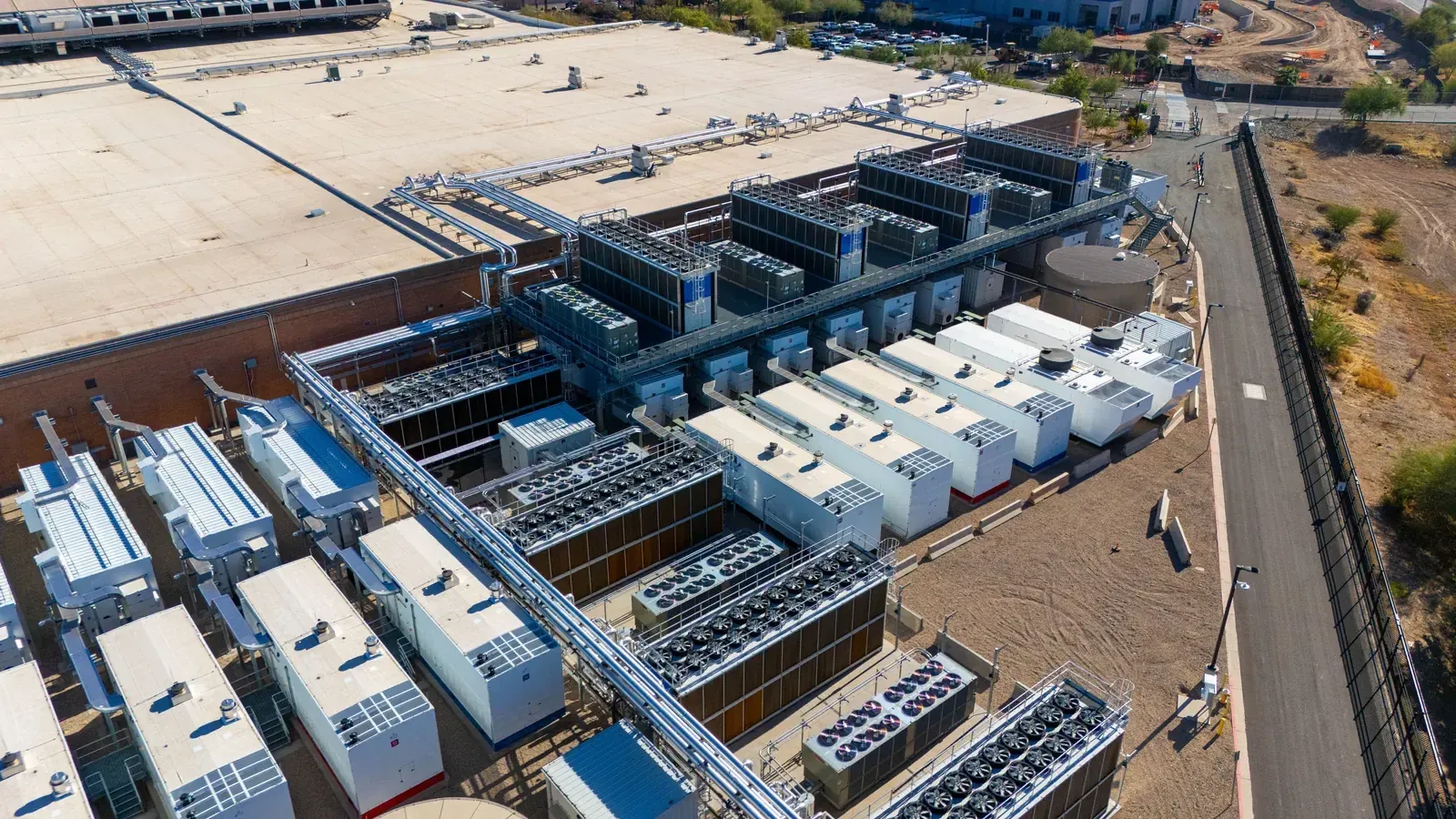
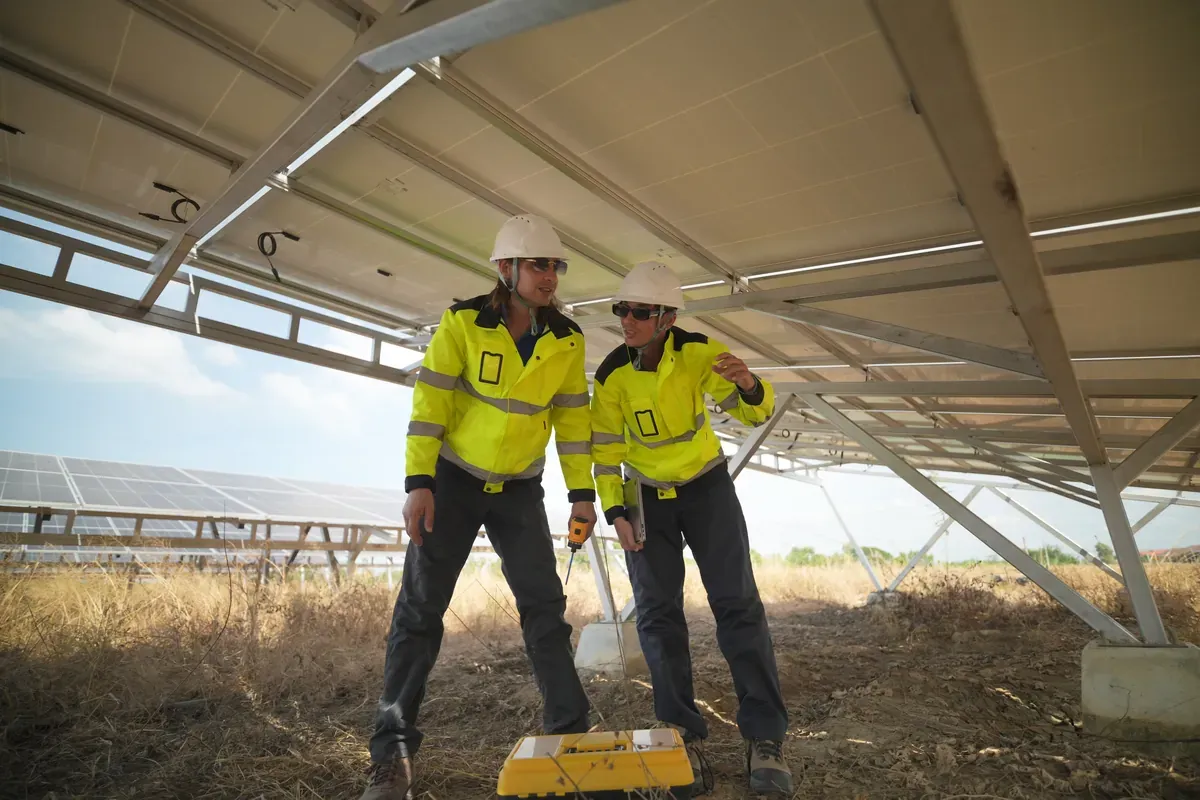
Utility-scale sites are often off primary freight corridors, and logistics here plans for the access roads, staging areas and equipment a remote site actually requires.
Multi-month visibility across the whole order
Tracking spans the full delivery schedule across every equipment category, not a single shipment's status, since a GW-scale project can have freight in transit for months at a time.
Less storage cost, full schedule visibility
Stop paying to store equipment with nowhere to go
Delivery sequencing matches construction pace instead of front-loading a site with material before it's needed.
See the whole schedule, not one shipment at a time
Multi-month visibility spans every equipment category on order, not just the most recent shipment.
FAQs
Why does utility-scale freight need multi-month sequencing instead of a single delivery?
Utility-scale orders involve far more equipment than a site can receive or stage at once, and material sitting idle ties up capital and storage. Sequencing deliveries over several months aligns arrivals with the construction schedule, so components show up as crews are ready to install them rather than all at once.
How does long-lead logistics coordinate with construction schedule?
Deliveries are sequenced to the construction timeline, so racking, modules, inverters, and balance-of-system components arrive in the order crews install them. Sunhub maintains multi-month visibility across the whole order, which lets shipment timing adjust as the build schedule shifts instead of forcing storage of equipment with nowhere to go.
Does remote-site delivery require different equipment than standard freight?
Often yes. Remote utility sites may lack a dock, paved access, or unloading equipment, so deliveries can require flatbeds, liftgates, or specialized handling that standard freight does not include. Access planning ahead of the first shipment avoids trucks that cannot reach or unload at the site.
Source bundled module, tracker, inverter and BESS packages for 10 MW-plus EPC projects. Utility-scale procurement packages built for one purchase order.